



The History of Excavation: From Hand Tools to Heavy Equipment
Excavation has been a part of human progress for thousands of years. Long before modern excavators and bulldozers existed, civilizations relied on hand tools, animal power, and sheer determination to shape the land around them.
Ancient cultures used excavation to build roads, irrigation systems, foundations, and monuments. From the canals of Mesopotamia to the construction of the Egyptian pyramids, moving earth was essential for creating the infrastructure that allowed communities to grow and thrive.
The Industrial Revolution transformed the industry with the introduction of steam-powered equipment in the 1800s. For the first time, large amounts of soil and rock could be moved more efficiently than ever before. As technology advanced, steam machines gave way to diesel-powered excavators, bulldozers, loaders, and dump trucks, dramatically increasing productivity and precision.
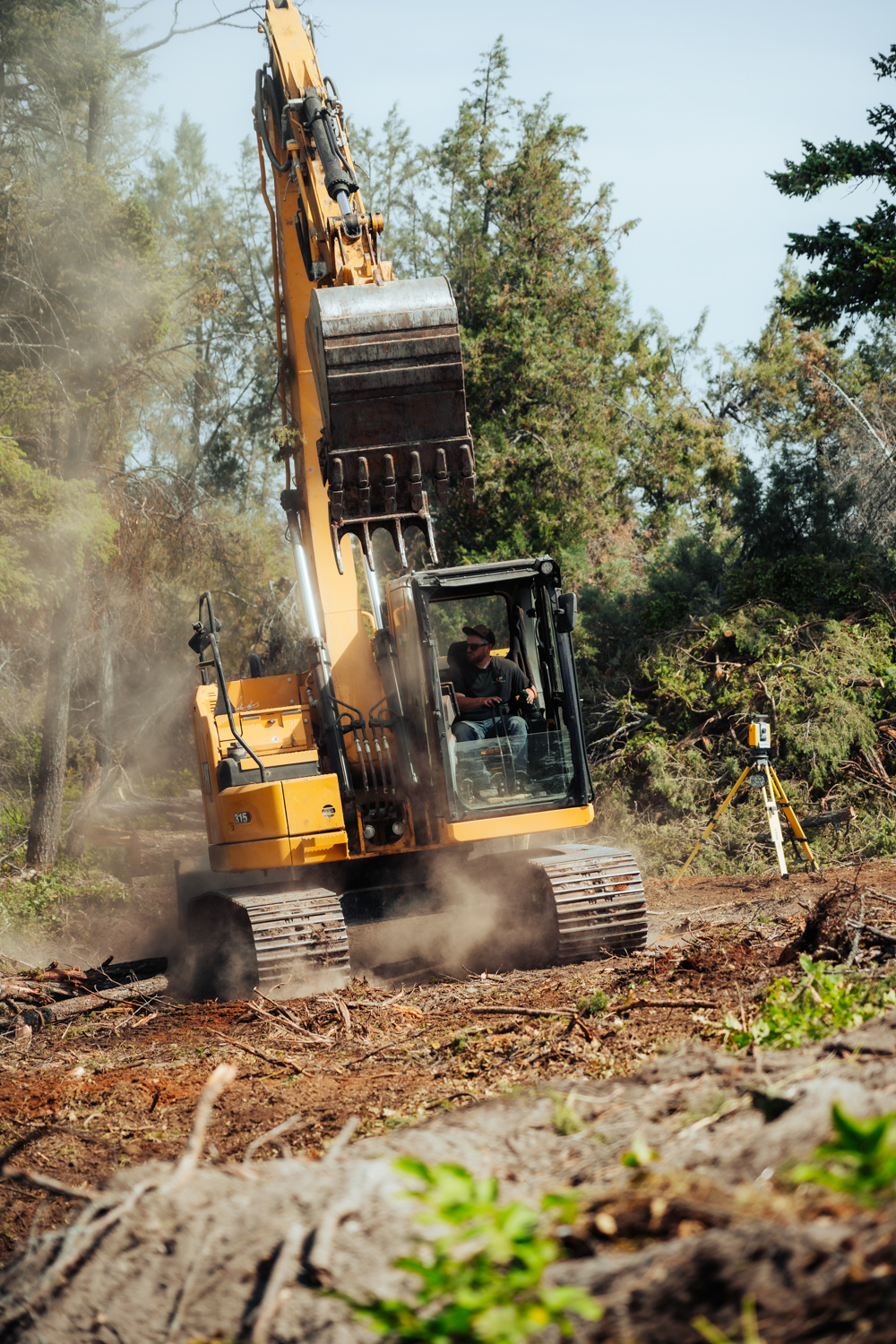
Today, excavation is far more than digging holes. Modern contractors use GPS technology, laser grading systems, drones, and 3D site models to plan and execute projects with incredible accuracy. These tools help ensure proper drainage, stable foundations, and efficient site development before construction even begins.
While the equipment has changed dramatically over the centuries, the goal remains the same: preparing the ground for what comes next. Whether it's a custom home, a commercial development, or critical infrastructure, excavation is often the first step in turning a vision into reality.
From hand shovels to high-tech machinery, the history of excavation is a story of innovation, hard work, and the people who shape the land to build the future.
Related News

DIG. MOVE. GRADE.



whitefish montana
serving flathead county
our expertise
© 2026 Copperforge Underground


.svg)